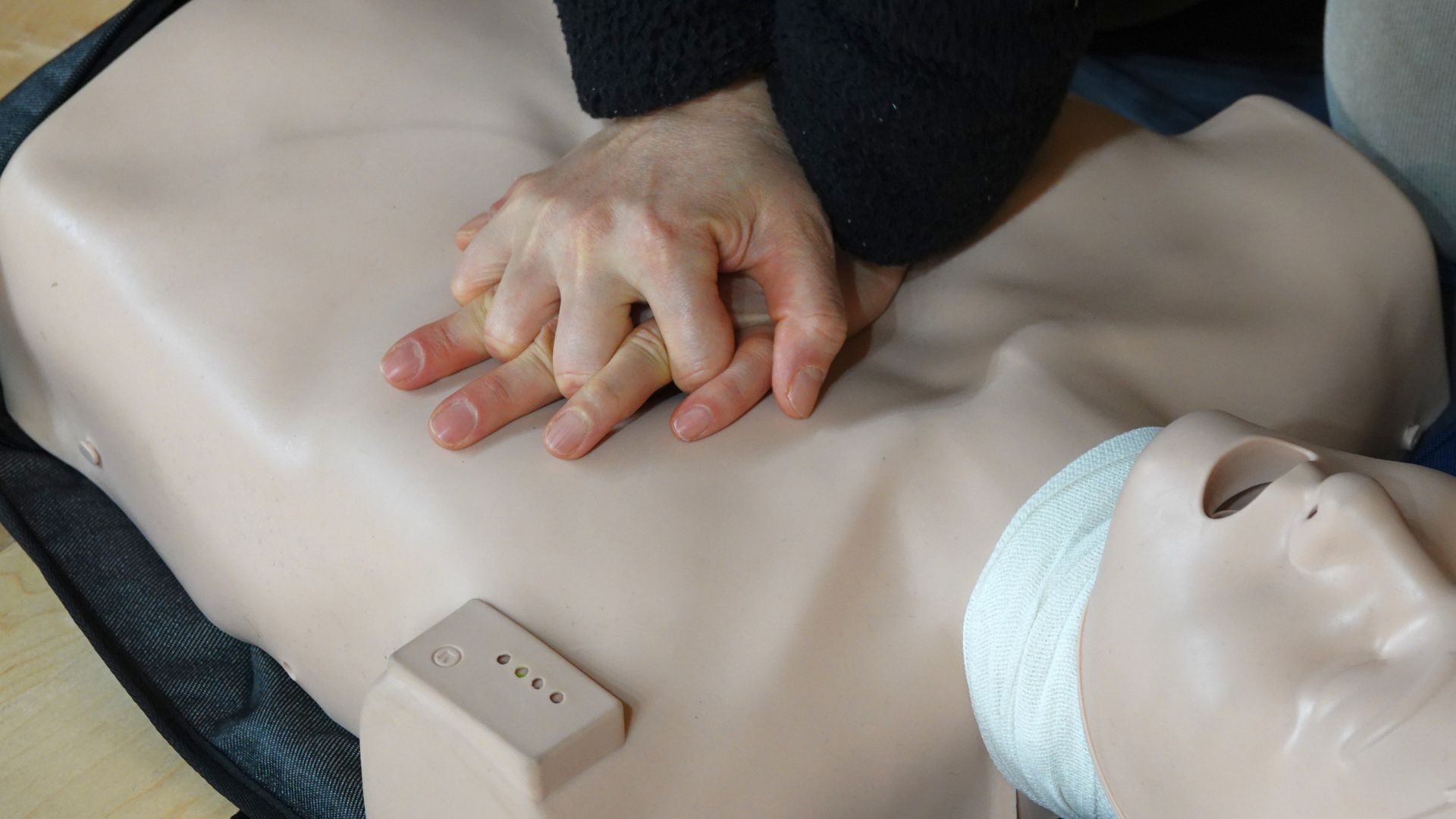
Jacksonville’s location along the Atlantic coast and the St. Johns River has helped create one of Florida’s most active boating communities. From recreational boaters and fishing charters to yacht owners, marina operators, and waterfront businesses, the city’s waterways play a major role in both recreation and commerce. Thousands of residents and visitors spend time on boats, docks, marinas, and waterfront facilities throughout the year, making safety and emergency preparedness an important priority for those who work in these environments.
Boat captains and marina staff have responsibilities that extend far beyond customer service and vessel operations. They often oversee passenger safety, monitor waterfront activities, assist boaters, and respond to unexpected situations that may occur on or near the water. Because emergencies can happen far from immediate medical assistance, individuals working in marine environments often find themselves in positions where preparation and quick decision-making are essential.
Whether operating a fishing charter, managing a marina, assisting boat owners, or working at a waterfront facility, understanding emergency response procedures can help create a safer environment for everyone involved. For many marine professionals, completing a CPR Certification course is an important step toward strengthening emergency preparedness and building confidence when responding to critical situations.
Jacksonville’s Waterways Create Unique Safety Challenges
Unlike traditional workplaces, marine environments present conditions that can complicate emergency response efforts.
Boat captains and marina personnel regularly work around:
- Open water
- Docks and piers
- Boat ramps
- Fueling stations
- Fishing areas
- Navigation channels
- Recreational boating traffic
These environments often involve moving vessels, changing weather conditions, slippery surfaces, and limited access to immediate medical assistance.
Because of these factors, preparation plays a critical role in overall waterfront safety.
Medical Emergencies Can Happen on the Water
Many people assume boating emergencies involve only accidents or water-related incidents. In reality, medical emergencies can occur in virtually any setting where people gather, including boats and marinas.
Examples may include:
- Cardiac emergencies
- Breathing difficulties
- Allergic reactions
- Seizures
- Heat-related illnesses
- Diabetic emergencies
- Choking incidents
- Sudden illnesses
Because boats often operate away from shore, emergency responders may require additional time to reach the affected individual.
This makes awareness and preparedness especially valuable for those working in marine environments.
Boat Captains Are Responsible for Passenger Safety
Whether operating a fishing charter, sightseeing tour, private vessel, or recreational excursion, captains assume significant responsibility for the people on board.
Passengers may include:
- Families
- Children
- Tourists
- Older adults
- Business groups
- Recreational anglers
- First-time boaters
Many passengers have little boating experience and may not be familiar with emergency procedures.
Captains who understand emergency preparedness concepts are often better equipped to manage unexpected situations while maintaining order and ensuring passenger safety.
Preparation helps support a safer and more enjoyable experience for everyone on board.
Marina Staff Frequently Assist the Public
Marina employees interact with boat owners, guests, visitors, contractors, and waterfront patrons throughout the day.
Responsibilities often include:
- Assisting with docking
- Monitoring marina facilities
- Providing customer support
- Managing fuel operations
- Coordinating vessel movement
- Supporting waterfront activities
Because marina personnel spend so much time around the public, they may be among the first individuals available when emergencies occur.
Prepared employees can help facilitate emergency response efforts while professional assistance is being dispatched.
Why the First Few Minutes Matter
During any serious medical emergency, time is a critical factor.
Emergency medical services provide essential care, but responders must first receive notification and travel to the location. On the water, this process may involve additional challenges related to vessel access, marina layouts, or remote locations.
During those first moments, captains and marina staff often become the primary individuals responsible for:
- Recognizing the emergency
- Contacting emergency services
- Providing location information
- Assisting affected individuals
- Coordinating access for responders
- Managing bystanders
Having a clear understanding of emergency procedures can help reduce confusion and improve response efforts.
Heat-Related Illnesses Are Common in Florida
Jacksonville’s warm climate allows boating activities to take place throughout much of the year. While this creates excellent recreational opportunities, it also increases exposure to heat-related risks.
Boat captains and marina employees frequently spend long hours outdoors in direct sunlight.
Common concerns may include:
- Dehydration
- Heat exhaustion
- Heatstroke
- Fatigue
- Sun exposure
Recognizing the warning signs of heat-related illnesses is an important part of waterfront safety.
Prepared personnel can often identify problems early and encourage appropriate action before conditions worsen.
Water Environments Require Additional Awareness
Working around water introduces hazards that are not commonly encountered in traditional workplaces.
Potential risks may include:
- Slips and falls
- Dock injuries
- Vessel accidents
- Water-related incidents
- Equipment-related injuries
- Severe weather exposure
Because of these challenges, marine professionals often develop strong situational awareness skills.
Emergency preparedness complements this awareness by helping individuals understand how to respond if an incident occurs.
Severe Weather Can Develop Quickly
Florida weather can change rapidly, especially during warmer months.
Boat captains and marina operators must remain alert for:
- Thunderstorms
- Lightning
- High winds
- Heavy rain
- Rough water conditions
Weather-related emergencies can place passengers and employees at increased risk.
Preparedness includes not only monitoring conditions but also having plans in place for responding when unexpected situations arise.
Emergency planning helps improve safety during changing weather conditions.
Why CPR Training Benefits Marine Professionals
CPR training provides practical emergency preparedness knowledge that complements many responsibilities associated with boating and marina operations.
Benefits often include:
- Increased confidence
- Improved emergency awareness
- Better preparedness
- Greater understanding of response priorities
- Enhanced communication during emergencies
Many marine professionals appreciate the peace of mind that comes from knowing they have invested in emergency preparedness training.
The confidence gained through training can support decision-making during stressful situations.
Communication Is Critical During Waterfront Emergencies
One of the most important aspects of emergency response is communication.
When an emergency occurs on a vessel or marina property, responders often need accurate information to locate the scene quickly.
Important communication considerations include:
- Exact location details
- Dock numbers
- Marina names
- Vessel identification
- Nature of the emergency
- Number of people involved
Prepared individuals are often better equipped to provide the information emergency responders need.
Clear communication can help improve coordination and reduce delays.
Building Trust With Customers and Guests
People who spend time on the water often place significant trust in boat captains and marina personnel.
Whether operating a charter vessel or managing a marina facility, professionals who prioritize safety help create confidence among customers and guests.
Strong safety practices demonstrate:
- Professionalism
- Responsibility
- Preparedness
- Attention to detail
- Commitment to guest well-being
These qualities contribute to positive customer experiences and reinforce the importance of emergency preparedness.
Creating a Safer Boating Community
Jacksonville’s boating culture thrives when everyone contributes to safety and preparedness.
Boat owners, captains, marina operators, fishing guides, waterfront businesses, and recreational boaters all play a role in promoting safe practices.
A strong safety culture may include:
- Emergency planning
- Ongoing training
- Equipment maintenance
- Clear communication
- Situational awareness
- Community education
The more prepared individuals are, the stronger the overall boating community becomes.
Emergency Preparedness Benefits More Than the Workplace
Many captains and marina employees discover that emergency preparedness skills are valuable far beyond their professional responsibilities.
The knowledge gained through training may be useful during:
- Family boating trips
- Community events
- Sporting activities
- Travel
- Volunteer work
- Everyday situations
Because emergencies can happen anywhere, preparedness remains a valuable life skill that extends beyond waterfront operations.
Why CPR Training Matters for Jacksonville’s Marine Community
Jacksonville’s waterways attract thousands of boaters, anglers, tourists, and recreational enthusiasts every year. Boat captains and marina staff play an important role in helping ensure those experiences remain safe and enjoyable. While no one hopes to encounter a medical emergency on the water, preparation can help reduce uncertainty and improve confidence when unexpected situations occur. Whether assisting passengers, supporting guests, or coordinating emergency response efforts, having emergency preparedness knowledge can make a meaningful difference. Taking a CPR Certification class helps boat captains and marina staff strengthen their readiness, improve safety awareness, and contribute to a safer boating environment throughout Jacksonville.
Frequently Asked Questions About CPR Training for Boat Captains and Marina Staff in Jacksonville
Why should boat captains learn CPR?
Boat captains are responsible for passenger safety and may need to respond to emergencies while operating in locations where medical assistance is not immediately available.
What types of emergencies can occur on boats?
Cardiac emergencies, heat-related illnesses, allergic reactions, breathing difficulties, injuries, and water-related incidents can all occur on vessels.
Why is CPR training valuable for marina employees?
Marina staff regularly interact with the public and may be among the first people available to assist when emergencies occur on waterfront properties.
How do waterfront environments affect emergency response?
Boats, docks, and marina facilities can create access challenges that may increase response times and require additional coordination.
Why is communication important during marine emergencies?
Providing accurate location information helps emergency responders locate vessels, docks, and affected individuals more efficiently.
Can CPR training benefit marine professionals outside of work?
Yes. Emergency preparedness knowledge can be valuable during family activities, community events, recreational boating trips, and everyday life.