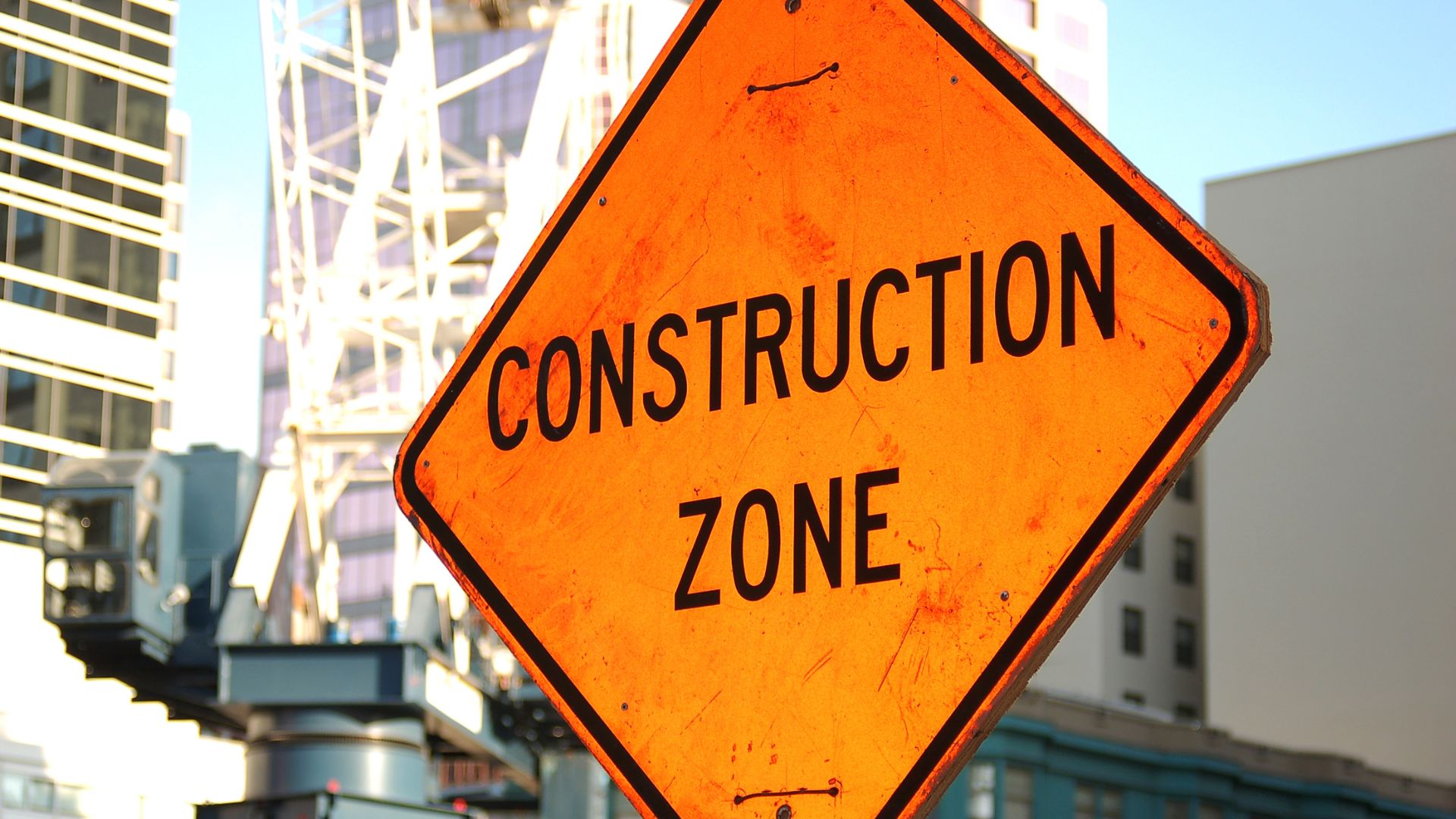
Construction sites are demanding and dynamic work environments where physical labor, heavy equipment, and unpredictable conditions are part of the daily routine. For construction workers in Jacksonville, safety protocols and emergency preparedness are essential components of a strong jobsite culture. CPR certification is one of the most important preparedness measures that construction teams can take. This training equips workers with lifesaving skills that allow them to act immediately when medical emergencies occur, often before emergency medical services can reach the site.
CPR certification teaches construction workers how to recognize cardiac and breathing emergencies, perform effective chest compressions, and take appropriate steps to stabilize a victim until professional help arrives. On construction sites, seconds can make a critical difference in outcomes. When workers are CPR certified, they are empowered to protect their coworkers, reduce injury severity, and support a safer work environment overall.
This guide explains why CPR training is crucial for construction workers in Jacksonville, what CPR certification includes, how trained responders impact jobsite safety, and how continuing education supports long term wellbeing and preparedness.
The Safety Landscape on Construction Sites
Jobsite safety in the construction industry involves a wide spectrum of risks. From heavy machinery and power tools to high temperatures and strenuous physical activity, workers may encounter situations that can lead to injuries or sudden medical emergencies. Heart attacks, extreme heat responses, falls, and breathing distress are all conditions that can unfold quickly and without warning.
Unlike controlled environments such as hospitals, construction sites often lack immediate access to medical professionals. Employers typically rely on trained personnel to manage the initial response to emergencies. CPR certification provides workers with a structured set of skills to act decisively when a medical incident occurs.
In Jacksonville, where construction activity is ongoing and often accelerated by development growth, having a workforce trained in lifesaving techniques is a key factor in strengthening workplace safety and protecting employees.
Why CPR Training Is Essential on Construction Sites
Construction workers spend long hours performing physically demanding tasks that can place stress on the heart and body. Even experienced and physically fit workers can experience cardiac events or breathing emergencies due to overexertion, heat exposure, or underlying health conditions that were previously undetected.
When an emergency occurs, the first response often comes from nearby workers. CPR certification gives these workers the confidence and competence to respond appropriately. Early CPR helps maintain blood circulation and oxygen delivery to vital organs, significantly increasing a victim’s chance of survival until paramedics arrive.
CPR certification also reduces hesitation during an emergency. Workers who are trained and certified are far less likely to freeze or delay action due to uncertainty. Recognizing early warning signs and beginning CPR as soon as possible supports better outcomes and sets a strong example for jobsite safety culture.
Understanding CPR Training for Construction Workers
CPR training for construction workers is designed to be practical, clear, and directly applicable to real world conditions. The training focuses on essential steps that can be performed by non medical professionals, even in challenging environments like active construction sites.
Participants learn how to identify cardiac arrest, assess breathing, and determine when CPR is needed. CPR certification also includes training on how to use an automated external defibrillator when one is available. These devices are increasingly present on larger worksites and serve as critical tools for restoring normal heart rhythm during certain emergencies.
Training reinforces scene safety and communication. Workers learn how to protect the victim and themselves while calling for additional help, coordinating with coworkers, and providing accurate information to emergency responders.
Responding to Heat and Physical Stress Emergencies
Construction workers in Jacksonville are routinely exposed to heat and humidity, particularly during summer months. Heat related illnesses such as heat exhaustion and heat stroke can escalate quickly, and both can be life threatening. In these conditions, where workers may collapse or become unresponsive due to heat stress, CPR certification prepares employees to respond immediately.
CPR training reinforces the importance of recognizing early signs of distress, safely moving the individual to a shaded or cooler area if possible, and beginning lifesaving procedures without delay. These steps are crucial for preventing further complications and ensuring a safe transition to professional care.
Jobsite Challenges and CPR Application
Construction sites present unique challenges for emergency response. Uneven terrain, noise from machinery, limited access points, and outdoor settings can complicate rescue efforts. CPR training prepares construction workers to adapt to these challenges while providing care.
Workers learn how to manage the space around a victim, ensure that bystanders are kept at a safe distance, and communicate clearly with emergency services. Adapting to environmental conditions while maintaining effective CPR technique enhances jobsite safety and supports positive outcomes.
Building Confidence Through CPR Certification
Confidence is a powerful benefit of CPR training. Knowing how to respond to medical emergencies builds composure and reduces fear during high pressure situations. CPR certification gives construction workers certainty in their ability to support colleagues when minutes count.
This confidence often extends beyond emergencies. Workers trained in CPR may feel more empowered in their daily tasks, knowing they possess important skills that can make a difference both at work and in their communities.
Confidence derived from CPR training also contributes to a stronger teamwork mindset. When workers support one another and share responsibility for jobsite safety, overall morale and cooperation improve.
Employer Benefits of CPR Training on Construction Sites
CPR certification benefits employers just as much as it benefits workers. Employers who invest in training demonstrate a strong commitment to jobsite safety. This commitment helps reduce risk, improve compliance with safety recommendations, and create a culture of preparedness.
Training workers in CPR can also reduce downtime after emergencies. When trained responders stabilize a situation quickly, the site can return to normal operations more efficiently once medical professionals take over.
From a liability perspective, having CPR certified staff shows that employers are taking reasonable steps to prepare for emergencies. This approach strengthens risk management and supports positive relationships between workers and management.
What CPR Certification Training Includes
CPR certification courses are structured to be efficient and informative for construction workers with demanding schedules. Training typically includes a mix of instructor led instruction, demonstration, and hands on practice.
Participants learn how to identify cardiac arrest, perform high quality chest compressions, provide rescue breaths if appropriate, and use an automated external defibrillator. Many courses also include scenario based exercises that simulate real life emergencies, allowing workers to practice under different conditions.
Most CPR certification courses can be completed in a single session, making it convenient for construction crews to train together. Upon successful completion, participants receive certification that is typically valid for two years.
Maintaining CPR Certification for Jobsite Readiness
Skills learned through CPR training must remain current and practiced to be effective. Medical guidelines and best practices can evolve over time, and regular recertification helps construction workers stay aligned with the latest recommendations.
Maintaining CPR certification reinforces proper technique and boosts confidence. Workers who renew their certification regularly are more confident in their abilities and better prepared to respond when emergencies happen.
For construction companies in Jacksonville, integrating CPR recertification into ongoing safety programs ensures consistent readiness and supports long term jobsite safety.
CPR Certification and Jacksonville Construction Industry Standards
While CPR certification may not be mandatory for all construction roles, it is widely recommended as part of comprehensive jobsite safety planning. Safety organizations, insurance carriers, and industry best practices encourage CPR training to reduce workplace risk.
Many construction firms in Jacksonville include CPR certification as part of onboarding, continuing education, or safety milestone requirements. These practices align with broader safety initiatives and demonstrate a proactive approach to worker protection.
Long Term Impact of CPR Training on Construction Safety
Widespread CPR certification contributes to improved safety outcomes over time. When more workers are certified, job sites become safer and more resilient. Trained responders increase the likelihood that someone on site can act when emergencies occur, reducing response times and improving outcomes.
CPR training also encourages a proactive mindset in construction safety. Workers are more likely to recognize hazards, support preventative measures, and take responsibility for their own and their coworkers’ wellbeing.
These long term benefits help construction companies in Jacksonville build stronger safety cultures and support healthier, more prepared teams.
Final Thoughts on CPR Training for Construction Workers in Jacksonville
CPR certification is an essential skill for construction workers in Jacksonville. Construction jobs involve physical stress, environmental exposure, and situations that can lead to medical emergencies without warning.
Completing CPR certification provides workers with the confidence, skills, and readiness to respond to cardiac and breathing emergencies effectively. These lifesaving abilities protect coworkers, support emergency responders, and enhance overall jobsite safety.
Investing in CPR certification is an investment in preparedness, teamwork, and the wellbeing of every construction worker on site.
Frequently Asked Questions
What situations does CPR training prepare construction workers for?
CPR training prepares workers to respond to cardiac arrest, breathing emergencies, and sudden collapse until emergency medical services arrive.
Is CPR certification required for construction workers in Jacksonville?
Requirements vary by employer, but CPR certification is strongly recommended as part of comprehensive jobsite safety planning.
How often should construction workers renew CPR certification?
CPR certification is typically valid for two years. Regular recertification helps ensure skills remain current and effective.
Can CPR training be applied in noisy and hazardous environments like construction sites?
Yes. CPR training teaches adaptability and safety awareness so workers can respond in challenging and high risk settings.
Does CPR certification include AED training?
Yes. Most CPR certification courses include instruction on how to safely and effectively use an automated external defibrillator.